
The Complete Guide to Gluten-Free Dessert Options for Restaurants
by Editorial Team
Last Updated: October 25, 2026
Quick Summary
Gluten-free dessert options for restaurants include naturally gluten-free sorbets made with pure fruit, premium ice creams with simple ingredients, and vegan alternatives built on coconut cream or oat milk bases. Sourcing from certified suppliers with SALSA accreditation and implementing strict cross-contamination prevention procedures ensures these desserts are genuinely safe for customers with coeliac disease.
- Sorbets, matcha ice cream, and vegan ice cream are naturally gluten-free desserts that don't require special formulation.
- Store gluten-free desserts in clearly labelled, dedicated freezer space and use separate scoops and utensils to prevent cross-contamination.
- Choose suppliers with SALSA accreditation or equivalent third-party certification to verify gluten-free standards.
- Integrate gluten-free options into your main dessert menu with equal prominence rather than relegating them to a separate dietary section.
- Train front-of-house staff to answer allergen questions confidently and disclose any potential trace contamination risks.
Table of Contents
- Why Gluten-Free Dessert Options Matter for Your Restaurant
- Naturally Gluten-Free Desserts You Can Serve Confidently
- Preventing Gluten Cross-Contamination in Restaurants
- Sourcing Wholesale Gluten-Free Desserts from Certified Suppliers
- Gluten-Free Allergen Labelling and Menu Communication
- Building Customer Trust with Transparency and Certification
- Adding Gluten-Free Desserts to Your Menu
- Frequently Asked Questions
Why Gluten-Free Dessert Options Matter for Your Restaurant
Many people follow a gluten-free diet for various health reasons. When diners with gluten sensitivity visit your restaurant, they're often resigned to skipping dessert entirely. That's a missed opportunity, and a liability. Offering genuine gluten-free dessert options transforms these customers into loyal regulars and signals that your restaurant takes dietary requirements seriously.
The challenge isn't finding gluten-free options. It's sourcing premium, naturally gluten-free desserts that actually taste exceptional. Mediocre gluten-free offerings damage your reputation far more than offering nothing at all. This guide covers everything you need to know about integrating authentic gluten-free dessert options into your restaurant menu, from sourcing to cross-contamination prevention to customer communication.
At Yee Kwan Ice Cream, we've spent over 15 years crafting desserts that satisfy the most discerning palates, including those with strict dietary requirements. Our range includes naturally gluten-free sorbets and vegan ice creams designed specifically for restaurants seeking to expand their dessert offerings without compromise on quality or flavour.
Naturally Gluten-Free Desserts You Can Serve Confidently
The beauty of naturally gluten-free desserts is that they don't require special formulation or compromise on texture and taste. Fruit-based sorbets, premium ice creams made with simple ingredients, and vegan alternatives built on coconut cream offer genuine appeal to all diners, not just those avoiding gluten.
Sorbets and Fruit-Based Desserts
Sorbets are inherently gluten-free when made with pure fruit, sugar, water, and natural stabilisers. Explore premium sorbet options available for your restaurant. They're refreshing, visually striking, and offer an elegant finish to any meal.
The Coeliac UK guidance on naturally gluten-free foods confirms that fruit-based sorbets without added cereal ingredients are safe for those with coeliac disease.
These sorbets work particularly well for restaurants with limited freezer space because they're compact, don't require special handling beyond standard frozen storage, and can be portioned into elegant glasses or served on sticks for casual settings.
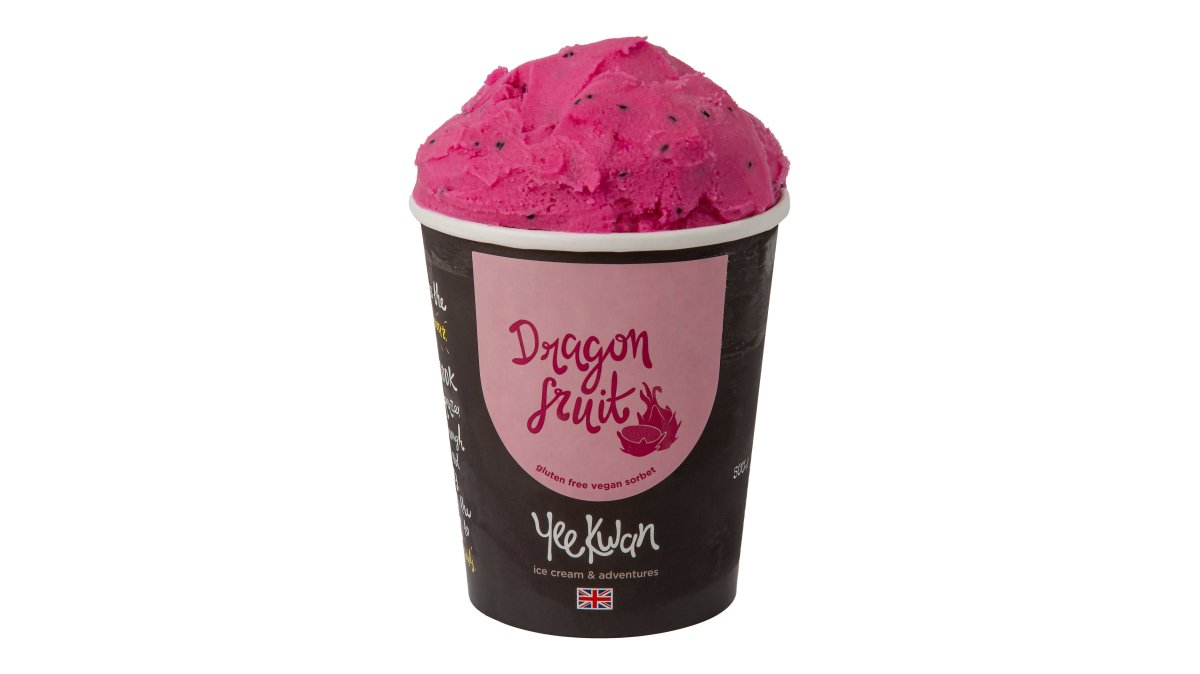
Consider offering a rotating sorbet selection rather than a fixed menu. This keeps your offering fresh and gives you flexibility to align with seasonal availability and customer response. Mango Sorbet from our range delivers that premium positioning while remaining genuinely accessible.


Premium Ice Cream and Vegan Alternatives
Not all ice cream is gluten-free, many commercial varieties contain malt flavouring, cookie pieces, or are produced in facilities with cross-contamination risks. Premium ice cream made from simple, clean ingredients offers a safer alternative.
Matcha green tea ice cream brings earthy sophistication to your menu. The colour alone signals something special to customers. Toasted coconut ice cream offers warmth and richness without heaviness. Both work as standalone desserts or as components in more elaborate presentations, paired with fresh fruit, drizzled with coulis, or served alongside a biscuit for those without gluten concerns.
Browse our vegan ice cream collection to see how premium vegan options perform alongside traditional offerings. Many restaurants find that vegan ice cream attracts a broader audience than expected, particularly among younger diners and those exploring plant-based eating.
Several naturally gluten-free dessert options work particularly well for restaurant menus.
| Dessert Type | Key Ingredients | Best For |
|---|---|---|
| Sorbets | Pure fruit, sugar, water, natural stabilisers | Palate cleansers, elegant finishes |
| Dragon fruit sorbet | Dragon fruit, sugar, water | Vibrant visual appeal, tropical freshness |
| Yuzu sorbet | Yuzu citrus, sugar, water | Palate cleanser between courses |
| Mango sorbet | Mango, sugar, water | Familiar comfort with premium depth |
| Matcha green tea ice cream | Matcha, cream, simple ingredients | Earthy sophistication, visual appeal |
| Toasted coconut ice cream | Coconut cream, toasted coconut | Warmth and richness without heaviness |
| Vegan ice cream | Coconut cream or oat milk bases | Dual benefit: dairy-free and gluten-free |
Preventing Gluten Cross-Contamination in Restaurants
Serving gluten-free desserts means nothing if your kitchen introduces gluten contamination during storage or preparation. Cross-contamination is the silent killer of trust, a customer with coeliac disease who falls ill after eating your "gluten-free" dessert won't return, and they'll tell others about the experience.
Implement these practical steps. Store gluten-free desserts in clearly labelled, dedicated freezer space separate from items containing gluten. Use separate scoops and serving utensils for gluten-free options. Train staff to change gloves between handling gluten-containing and gluten-free items.
Document your procedures. When a customer asks whether your gluten-free dessert is safe, you should be able to explain exactly how you prevent contamination. This transparency builds confidence.
The Food Standards Agency provides detailed guidance on allergen management in food businesses, including cross-contamination prevention. Familiarise yourself with their recommendations.
Sourcing Wholesale Gluten-Free Desserts from Certified Suppliers
Sourcing from certified suppliers removes guesswork. A supplier with SALSA accreditation or equivalent certification has undergone third-party verification that their facility, processes, and ingredients meet strict gluten-free standards. This certification is your insurance policy.
When evaluating suppliers, ask for documentation: allergen statements, facility certifications, and ingredient sourcing information. Reputable suppliers provide this freely. They understand that restaurants need to answer customer questions with confidence, and they've built their operations to support that.
Consider minimum order quantities and frequency. Some suppliers require large orders that might not suit smaller restaurants. Others work with independent cafés and offer flexible ordering.
Consistency matters. Choose suppliers who can guarantee year-round availability of your chosen flavours. Menu changes mid-season frustrate customers and staff alike. A reliable supplier becomes a partner in your operation rather than a transaction.
Gluten-Free Allergen Labelling and Menu Communication
Labelling is both a legal requirement and a customer service essential. Under UK food labelling regulations, you must clearly identify allergens including gluten in all food offered for sale.
On your menu, use clear, consistent language. "Gluten-free" is straightforward. "May contain traces of gluten" signals potential contamination risk and is honest about your kitchen's limitations. If your sorbet is truly gluten-free with no cross-contamination risk, say so. If there's any possibility of trace contamination, disclose it.
Provide detailed allergen information beyond gluten. Your gluten-free ice cream might contain soya, for example. A sorbet might have traces of sesame from stabilisers. These details matter to customers with multiple allergies. Food Standards Agency allergen labelling requirements sets out what you must communicate.
Train your front-of-house staff to answer allergen questions confidently. They should know which desserts are gluten-free, which might have trace contamination, and what other allergens are present. A server who hesitates or guesses undermines your credibility immediately.
Building Customer Trust with Transparency and Certification
Trust is built through transparency and maintained through consistency. When a customer asks if your gluten-free dessert is safe, they're not just asking about ingredients, they're assessing whether you've thought through the entire process.
Display certifications prominently. If your supplier holds SALSA accreditation or other relevant certifications, mention it. "Our gluten-free desserts are sourced from SALSA-accredited facilities" tells customers you've done the work. Certifications aren't marketing gimmicks in this context, they're evidence of rigorous standards.
Share your sourcing story. Mentioning that your sorbets are made with premium fruit and natural stabilisers, or that your vegan ice cream uses coconut cream and simple ingredients, creates a narrative around quality. Consumer research on food transparency and trust shows that diners respond positively to restaurants that explain their sourcing and preparation methods.
Respond to feedback quickly. If a customer reports an issue, take it seriously. Investigate what happened, communicate clearly about what you've learned, and explain what you're changing. This response matters far more than the initial problem.
Adding Gluten-Free Desserts to Your Menu
Start with one or two options rather than attempting comprehensive gluten-free coverage immediately. Choose desserts that genuinely excite you, your enthusiasm will come through to customers. A sorbet and a vegan ice cream offer variety without overwhelming your kitchen or freezer space.
Position gluten-free options on your menu without apology. Don't relegate them to a separate "dietary options" section at the bottom. Instead, integrate them into your dessert offerings with the same prominence as your other choices.
Test your offerings with staff first. Let your team taste the desserts, understand the flavour profiles, and develop genuine enthusiasm. Staff recommendations drive sales far more effectively than menu descriptions alone.
Monitor what sells. After a month, you'll have clear data on which options resonate with your customers. Use this to refine your menu.
Adding gluten-free dessert options to your restaurant menu addresses a genuine customer need while expanding your appeal.
Frequently Asked Questions
What gluten-free dessert options can restaurants serve without specialist equipment?
Sorbets and premium ice creams are the simplest gluten-free dessert options for restaurants because they require no additional preparation or baking. Sorbets like mango, yuzu, and dragon fruit are naturally vegan and gluten-free, requiring only proper storage and serving equipment. Premium ice creams, particularly vegan varieties made with coconut cream, offer rich flavours without gluten concerns. Both can be served directly from the freezer, making them ideal for cafés and restaurants looking to add gluten-free options without kitchen modifications.
How can restaurants prevent gluten cross-contamination when serving desserts?
Gluten cross-contamination in restaurants happens through shared utensils, chopping boards, and serving equipment. To prevent it, use dedicated scoops and serving utensils for gluten-free desserts, store them separately from gluten-containing items, and train staff to use clean hands or fresh gloves when serving. When sourcing wholesale gluten-free desserts, verify that suppliers use dedicated production facilities or separate production lines. Ask for allergen documentation and SALSA accreditation or equivalent food safety certification to confirm proper handling protocols.
What information should restaurants provide for gluten-free allergen labelling?
Gluten-free allergen labelling must include the product name, a clear 'gluten-free' designation on the menu, and a note directing customers to ask staff for full ingredient and allergen information. Provide suppliers' allergen documentation to staff so they can answer questions about traces of other allergens (such as sesame or nuts). The Food Standards Agency recommends transparent communication about preparation methods and potential cross-contamination risks. Display allergen information prominently, either on the menu or via QR codes linking to detailed product specifications.
Are naturally gluten-free desserts suitable for all diners, or just those avoiding gluten?
Naturally gluten-free desserts appeal to all diners, not just those with coeliac disease or gluten sensitivity. Sorbets and premium ice creams offer adventurous flavours and premium quality that attract customers seeking distinctive dessert experiences. Asian-inspired flavours like matcha, yuzu, and toasted coconut have broad appeal. By positioning gluten-free options as premium choices rather than specialist alternatives, restaurants can increase dessert sales and customer satisfaction across their entire diner base.
What certifications should restaurants look for when sourcing wholesale gluten-free desserts?
Look for suppliers with SALSA accreditation, which certifies food safety and allergen management in production facilities. Verify that suppliers operate nut-free or dedicated gluten-free production lines to prevent cross-contamination. Ask for Great Taste Awards or similar industry recognition, which indicate quality and consistency. Request allergen documentation, nutritional information, and details about stabilisers and additives. Reputable suppliers will provide comprehensive documentation and be transparent about their production processes and facility certifications.
Can restaurants source gluten-free desserts reliably from wholesalers, or is supply inconsistent?
Premium wholesale suppliers of gluten-free desserts offer consistent supply when you establish regular ordering relationships. Sorbets and ice creams have longer shelf lives than fresh baked goods, making them reliable options for restaurant menus. Confirm supply agreements with your supplier before committing to menu items, particularly for signature flavours. Many premium producers work with restaurant groups and independent cafés year-round, offering flexibility for both large and small operations. Discuss minimum orders and delivery schedules upfront to ensure your freezer capacity and customer demand align with supply availability.
How should restaurants price gluten-free desserts compared to standard options?
Premium gluten-free desserts justify higher pricing due to superior ingredients, production standards, and certifications. Multi-award-winning producers use authentic ingredients and dedicated production facilities, which increases costs. Customers seeking gluten-free options typically expect to pay more for quality and safety assurance. Position gluten-free desserts as premium menu items rather than budget alternatives. Transparent communication about sourcing, certifications, and flavour profiles helps justify pricing and builds customer trust.
