
Ice Cream Wholesale Suppliers: Compare Quality & Pricing
by Editorial Team
Table of Contents
- What to Look for in Ice Cream Wholesale Suppliers
- Premium Wholesale Ice Cream: Product Range and Quality Standards
- Wholesale Ice Cream Suppliers for Restaurants: Selection Criteria
- Ice Cream Wholesale Prices: Cost Per Scoop and Bulk Purchasing
- Wholesale Ice Cream Delivery: Coverage, Minimums, and Service Terms
- Allergen Documentation and Nutritional Information
- Making Your Choice: Which Supplier Fits Your Business
- Frequently Asked Questions
Last Updated: October 18, 2026
What to Look for in Ice Cream Wholesale Suppliers
When sourcing ice cream for your restaurant, café, or retail business, the supplier you choose shapes your entire dessert programme, a partner who'll help you stand out or blend into the crowd.
The best wholesale ice cream suppliers tick three boxes: they offer distinctive products that justify premium pricing, they deliver reliably to your area, and they provide transparent information about allergens and ingredients so you can answer customer questions on the spot.
Most businesses focus only on price per tub. That's a mistake. A cheaper supplier might lock you into vanilla and chocolate year-round, which every other café already does. A premium supplier with adventurous flavours, like matcha, miso, or toasted coconut, gives you a genuine competitive edge, the cost difference per scoop often vanishes once you factor in higher margins and customer loyalty.
At Yee Kwan Ice Cream, we understand that the right flavours can make your customers talk about your menu. That question changes everything about supplier selection.
Here's what matters most when evaluating ice cream wholesale suppliers:
- Product range and distinctiveness: Can they offer flavours customers can't find elsewhere, or are you locked into standard options?
- Quality and sourcing: Do they use authentic ingredients and handcrafted methods, or is it mass-produced?
- Minimum order quantities: Can they work with smaller operators, or do they require bulk commitments your freezer can't handle?
- Delivery coverage and speed: Do they service your area, and can they guarantee supply during peak season?
- Allergen and nutritional documentation: Can you confidently answer customer questions about ingredients and dietary requirements?
- Cost per scoop and margin potential: What's the actual cost when you factor in portion size and selling price?
Premium Wholesale Ice Cream: Product Range and Quality Standards
Premium wholesale ice cream isn't just a luxury category, it's a business decision. Stocking premium products signals that your dessert menu is intentional and worth the price.
Quality starts with ingredients. Authentic dairy ice cream uses whole milk, real cream, and natural flavourings. Sorbets rely on real fruit and cane sugar. The difference in texture is immediate: premium ice cream is smooth and creamy, not icy or grainy. Mass-produced alternatives cut corners with stabilisers and fillers that cheapen the mouthfeel.
Handcrafted production matters too. Smaller batches using time-honoured methods produce more pronounced, balanced flavours. Compare a mass-produced matcha ice cream, often chalky and one-dimensional, with a handcrafted version where the earthy notes come through clearly. Customers taste the difference and pay for it.
Dairy Ice Cream and Sorbets
Dairy ice cream is the foundation of most wholesale ranges. The best suppliers offer both classics (chocolate, vanilla, strawberry) and distinctive options that set your menu apart.
Traditional dairy ice cream should be rich and creamy without being heavy. Look for products made with high-fat cream and whole milk, not skimmed milk powder and vegetable oils. The texture should be smooth, never grainy or icy.
Sorbets serve a different purpose. They're dairy-free, often lower in calories, and appeal to vegan customers. Quality sorbets use real fruit, not concentrates or artificial flavours. A good sorbet should taste like the fruit itself, intensified. Dragon fruit, guava, and passionfruit sorbets offer visual appeal and a refreshing contrast to rich dairy options.
When evaluating suppliers, ask about their sorbet production. Many wholesale operations treat sorbets as an afterthought; the best give them the same attention as their ice cream, resulting in vibrant colours and authentic flavour.
Branded and Artisanal Flavours
This is where premium suppliers differentiate themselves. Branded options, think matcha green tea, chocolate miso, or toasted coconut, give customers a reason to choose your business over competitors.
Artisanal flavours require expertise. A quality miso ice cream balances savoury umami with sweetness; matcha needs the right powder and careful blending to avoid bitterness; toasted coconut demands actual toasting, not just flavouring.
These flavours work best when they're tied to a story. Customers are more likely to try an unfamiliar flavour if they understand where it comes from and why it's special. Yee Kwan Ice Cream's Asian-inspired range, for example, draws on over 15 years of experience crafting authentic flavours. That heritage sells, and justifies premium pricing.
Wholesale Ice Cream Suppliers for Restaurants: Selection Criteria
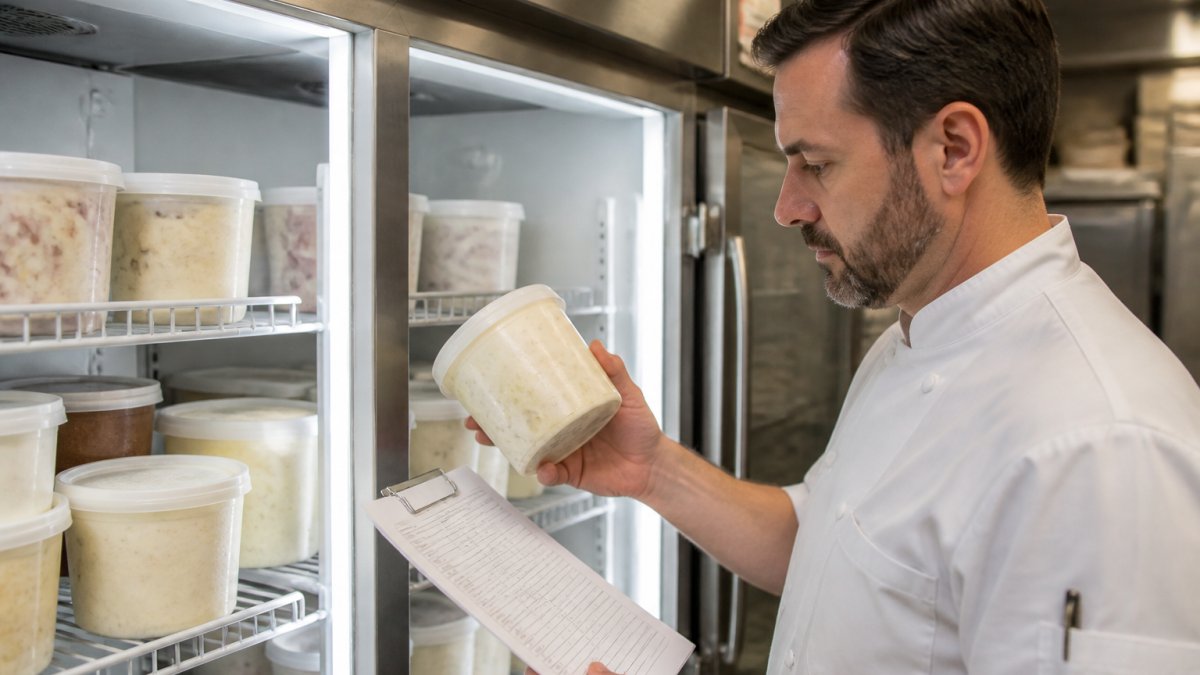
Restaurant and café buyers face different constraints than retail shops: reliable supply, consistent quality, and the ability to scale orders with seasonal demand.
Start by mapping your freezer space. A small independent café might have room for 4-6 flavours.
Next, consider your menu strategy. If ice cream is a casual add-on, standard flavours work fine.
Evaluate customer service responsiveness. Can they answer ingredient questions quickly, provide allergen and nutritional documentation without chasing, and work with you on custom or limited-edition flavours?
Ask about their minimum order quantities and whether they offer flexibility for smaller operators. Some suppliers have high minimums that work only for large groups.
Finally, check delivery coverage. A supplier based in one region might not service your area reliably. Confirm they deliver to your postcode and ask about delivery timelines during peak season.
| Selection Criteria | What to Look For | Why It Matters |
|---|---|---|
| Product Range | Distinctive flavours + classics | Differentiation + customer choice |
| Minimum Orders | Flexibility for your business size | Avoids overstock and cash flow strain |
| Delivery Area | Confirmed service to your postcode | Reliability and consistency |
| Allergen Info | Clear, detailed documentation | Customer safety and confidence |
| Freezer Space | Realistic capacity planning | Prevents waste and spoilage |
| Pricing Transparency | Clear cost per tub or scoop | Accurate margin calculation |
Ice Cream Wholesale Prices: Cost Per Scoop and Bulk Purchasing
Price per tub tells only part of the story. What matters is cost per scoop and the margin you can achieve.
A 4-litre tub typically yields 40-50 scoops, depending on scoop size. If you're buying at £45 per 4-litre tub, that's roughly 90p to £1.13 per scoop at cost. If you're selling scoops at £4-5, your gross margin is strong.
Bulk discounts exist but come with trade-offs. Ordering 20 tubs at once might save 10-15% per tub, but you need the freezer space and you're committing cash upfront. For smaller operators, the savings rarely justify the inventory risk.
The real question is: what's the cost of differentiation? Yee Kwan Ice Cream's 4-litre tubs start at £31 for classics like chocolate and go up to £45 for distinctive flavours. That's a premium over mass-market alternatives.
Consider ordering bundles strategically. Yee Kwan Ice Cream offers a Bundle 4 (12 x 475ml tubs of your choice) at £75, which works out to £6.25 per tub. That's useful if you want to trial multiple flavours without committing to full 4-litre sizes.
Wholesale Ice Cream Delivery: Coverage, Minimums, and Service Terms
Delivery reliability is non-negotiable. You can't build a dessert menu around a supplier who misses orders during peak season.
Ask these specific questions:
- Do they deliver to your postcode regularly, or is it ad-hoc?
- What's their standard delivery window (e.g., Tuesday and Friday)?
- Do they offer expedited delivery if you run low unexpectedly?
- What's their policy on damaged or defective stock?
- Can they guarantee supply during summer months when demand peaks?
Many wholesale suppliers work on fixed delivery schedules, so plan your orders around their calendar. Some offer flexibility for larger customers but not smaller ones, understand the constraints upfront so you're not caught short.
Delivery costs matter too. Some suppliers include delivery in their pricing. Others charge per order or per mile. A small café ordering once a month might face delivery charges that eat into margins. Ask whether delivery is included or itemised separately.
The best suppliers have redundancy built in: they shift orders between distribution centres, hold backup stock if a batch fails quality control, and communicate proactively about delays. That service costs more upfront but saves headaches later.
Allergen Documentation and Nutritional Information
This isn't optional. You need clear, detailed allergen information to answer customer questions confidently and comply with food labelling regulations.
UK food businesses must declare 14 major allergens: cereals containing gluten, crustaceans, eggs, fish, peanuts, tree nuts, milk, celery, mustard, sesame, sulphites, lupin, molluscs, and soya. If your supplier can't provide this information clearly, walk away.
Beyond the legal requirement, allergen transparency builds customer trust.
Nutritional information matters too. Customers increasingly ask about sugar, fat, and calories, and some track macros or have dietary preferences (vegan, gluten-free). If you can't answer, you lose sales to competitors who can.
Yee Kwan Ice Cream provides detailed ingredient lists and nutritional information for every product. Their facility is SALSA-accredited and nut-free, which matters for customers with severe allergies.
Ask your supplier for this information in a format you can share easily: printed labels, digital files, or a link to their website.
Making Your Choice: Which Supplier Fits Your Business
The right supplier depends on your business model, budget, and menu ambitions.
If you're a small independent café with limited freezer space and a tight budget, you need a supplier who works with smaller operators and offers flexibility on minimum orders.
If you're a restaurant group with multiple locations, you need a supplier who can coordinate orders across sites and offer volume discounts, more negotiating power, but higher expectations for reliability and consistency.
If you're a retail food shop, you need eye-catching packaging and products that appeal to gift-givers and home consumers. Your supplier must understand retail dynamics, seasonality, shelf life, visual presentation, differently than for a café.
The key is alignment. Your supplier's strengths should match your business needs. A supplier optimised for restaurant groups might frustrate a small café. A supplier built for retail might not understand the speed and flexibility a food truck needs.
At Yee Kwan Ice Cream, we work with independent cafés, restaurant groups, and retailers because we understand these different needs.
Choosing an ice cream wholesale supplier is a strategic decision, not just a purchasing one. Yee Kwan Ice Cream delivers all three, helping businesses across the UK create memorable dessert experiences that customers actually want to pay for. BUY IT NOW and explore our full range of premium ice creams and sorbets designed to differentiate your menu.

Frequently Asked Questions
How do I choose an ice cream wholesale supplier?
Evaluate suppliers on product range, quality certifications (such as SALSA accreditation for allergen management), pricing per unit, minimum order quantities, and delivery coverage to your location. Request allergen documentation, nutritional information, and proof of year-round stock availability. Ask about their experience supplying hospitality businesses similar to yours, and whether they offer flexibility on order sizes and payment terms.
What are typical ice cream wholesale prices per scoop?
Bulk purchasing (12+ tubs or bundles) often reduces per-unit cost. For example, 4-litre tubs priced at £45 work out to approximately £0.94 per 100ml scoop. Request transparent pricing breakdowns including delivery and minimum order thresholds before committing.
Do wholesale ice cream suppliers deliver to small independent cafés?
Yes, many premium suppliers work with independent cafés, though minimum order quantities vary. Some require orders of 6-12 tubs per delivery; others may accommodate smaller operators. Confirm delivery areas, frequency, and whether they charge extra for smaller orders. Discuss freezer space constraints upfront, suppliers often help smaller businesses plan stock rotation to fit limited capacity.
What certifications should I check for allergen safety?
Look for SALSA accreditation or equivalent food safety certification, and request specific allergen documentation. Ask whether the facility is nut-free or has dedicated production lines for allergen-free products. Request a full ingredient list and cross-contamination risk assessment. Premium suppliers should provide allergen matrices you can share directly with customers, and be willing to answer detailed questions about production protocols.
Can I guarantee year-round stock of specific ice cream flavours?
Ask your supplier directly about stock consistency before signing a contract. Many premium suppliers maintain core flavours year-round but may rotate seasonal or limited-edition ranges. Confirm minimum order commitments, lead times for reorders, and what happens if demand spikes. Establish a backup plan for peak season, some suppliers offer pre-ordering or reserved allocation for committed customers.